
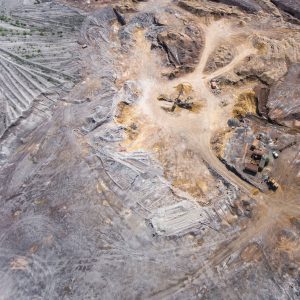
 The formation of gypsum is quite common in nature. In Hungary, there are also beautiful gypsum crystals. In Buda, the formation of bitter water forms the pyrite and dolomite in the marl. Plaster crystals are also produced in Selmecen, N.-Ágon, Radnán, Kapnikon, etc. veins of ore. Alternatively, it is formed everywhere where sulphide minerals are oxidized and Ca is also present in the environment: for example, Grant (Vértes Mountains) has a clear, decimeter-sized gypsum crystals and crystalline aggregates in the pyrite cape of bauxite, and in the clay formation in Buda. Pretty gypsum crystals are known to grow among rocky habitats abroad: Vielicska, Bochnia, Ischl, Hallstatt, Berchtesgaden, Friedrichsroda (Thuringian Forest), Kaaden (Czech Republic) Girgenti (Sicily), Castellina (Tuscany); overgrown: Paris next to Montmartre, next to Vienna, Maden, Smyrna (sand). There are no masses worth mining in Hungary. There is a very large amount of gypsum mined near Parse, where the Montmartre Mountain is largely made of gypsum. In Europe, the most frequent and greatest masses can be found in Perm and Triass, even in Harz, Osterode. From Nordhausen to É. There are frequent cavities, caves. Jurassic and chalk systems are relatively poor in gypsum. The massive gypsum masses in Eocene are the Spanish, the Egyptians; oligocene are the gypsum incidents associated with the salt basins of the Carpathians, apart from montmartre, the Italian sites, the Sicilians, etc. The world’s largest plaster site is White Sand Dunes in New Mexico, covering over 712 km2. Albagipse’s mineral gypsum material is produced in Italy by open-casting